
Understanding the psychology behind casino gambling behavior
The Allure of Gambling: What Draws People to Casinos?
The psychology behind casino gambling is deeply rooted in the thrill and excitement that gambling offers. For many, the mere prospect of a big win can create an exhilarating rush, resembling the feelings associated with risk-taking in other areas of life. This thrill often overshadows the financial risks involved, leading individuals to engage in gambling despite knowing the odds are against them. Many players are drawn to the best bitcoin casinos where they can experience this excitement online.
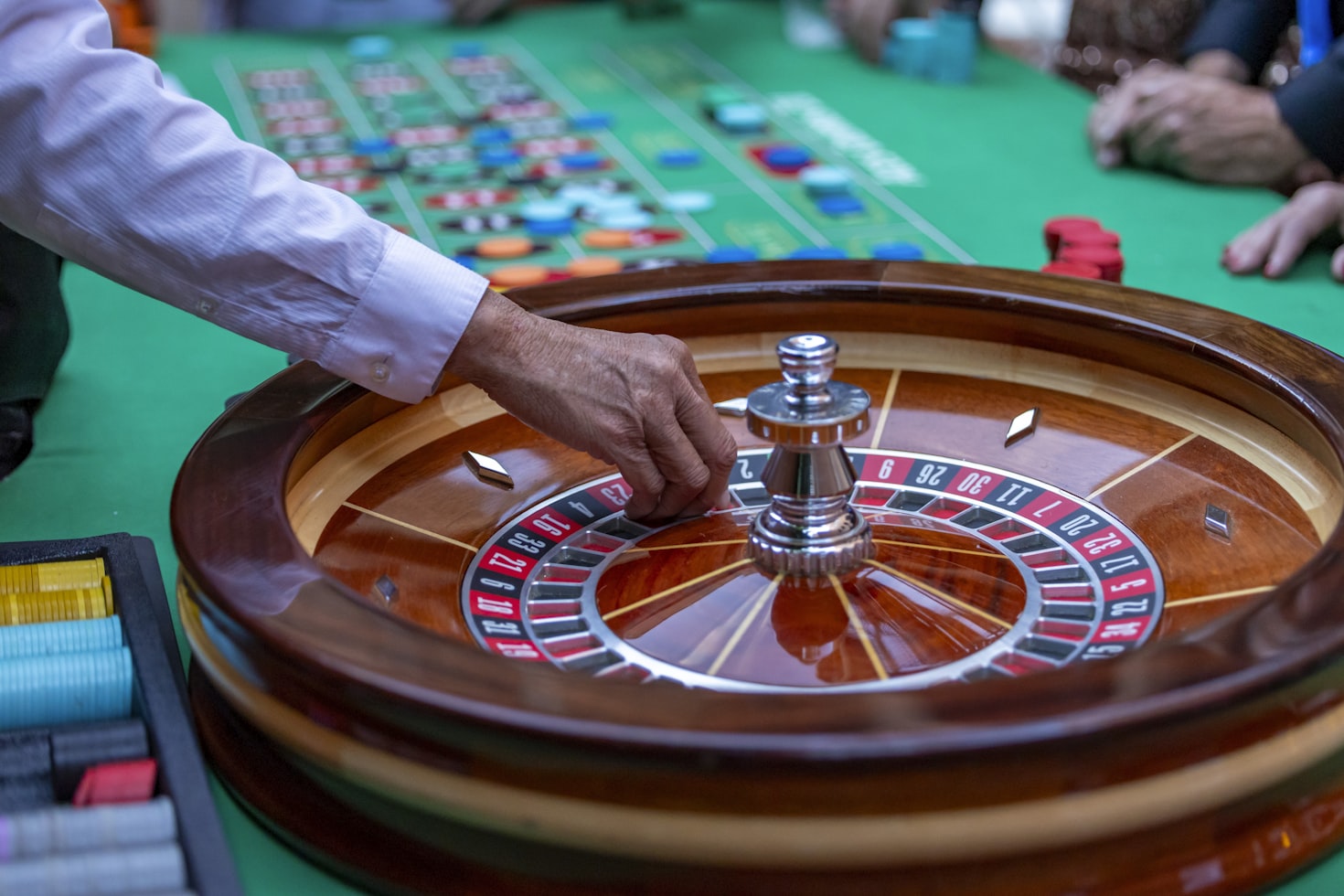
Additionally, casinos are designed to enhance this allure through sensory stimuli, such as bright lights, engaging sounds, and even complimentary drinks. These elements create an immersive environment that can sometimes disconnect patrons from reality. As a result, players find themselves caught up in the moment, driven by the desire to win, often leading to impulsive spending and a lack of awareness regarding their gambling habits.
The Role of Cognitive Biases in Gambling
Cognitive biases play a significant role in how gamblers perceive their chances of winning. One common bias is the illusion of control, where individuals believe they can influence the outcome of a game through their actions or strategies. This false sense of empowerment can lead to persistent gambling, even when losses accumulate. Gamblers may convince themselves that they are "due" for a win, further fueling their pursuit of luck. Understanding these biases can be essential for recognizing harmful gambling patterns.
Another key bias is the availability heuristic, where recent wins or memorable gambling experiences are overemphasized in a player's mind. This can create an inflated sense of the likelihood of winning, encouraging continued gambling behavior. These cognitive distortions contribute to a cycle of gambling that can be difficult for many individuals to break, embedding them deeper into the casino culture.
The Impact of Emotions on Gambling Behavior
Emotions significantly influence gambling behavior, with many individuals using gambling as a coping mechanism for stress or negative feelings. The excitement of playing can temporarily lift a person's mood, creating a cycle where they return to gambling whenever they experience emotional distress. This reliance on gambling for emotional regulation can lead to problematic behaviors and addiction, ultimately affecting their life beyond just financial issues.
Furthermore, the emotional highs and lows associated with gambling can create a rollercoaster effect, where wins lead to elation and losses result in frustration. This emotional volatility can make it hard for gamblers to walk away, as they chase the next high, often leading to increased risk-taking. Understanding this emotional connection can help identify and address gambling problems more effectively.
The Social Aspects of Gambling
Gambling is often perceived as a social activity, where individuals find enjoyment in the company of others while participating in games. This social aspect can intensify the gambling experience, as players feed off each other's excitement and camaraderie. The communal nature of certain games, like poker, enhances social interactions, allowing individuals to build connections and share experiences. Yet, it is crucial to recognize how these dynamics can encourage excessive gambling practices.
However, social influences can also lead to negative gambling behavior. Peer pressure and the desire to fit in can prompt individuals to gamble more than they usually would or take larger risks. Recognizing the social dynamics at play is crucial for understanding why some individuals gamble excessively and how social environments can either encourage or deter responsible gambling practices.

Seeking Help and Resources for Problem Gambling
Understanding the psychology behind casino gambling behavior is vital for addressing problem gambling. Individuals who recognize their gambling habits as detrimental can seek help from various resources. Support groups, counseling, and treatment programs provide safe spaces for individuals to share experiences and receive assistance in overcoming their gambling issues.
Additionally, many casinos and online platforms have begun implementing responsible gambling measures, such as self-exclusion programs and informational resources. These initiatives aim to create a safer gambling environment and help players make informed decisions about their activities. By fostering awareness and providing support, it becomes possible to mitigate the risks associated with gambling behavior.